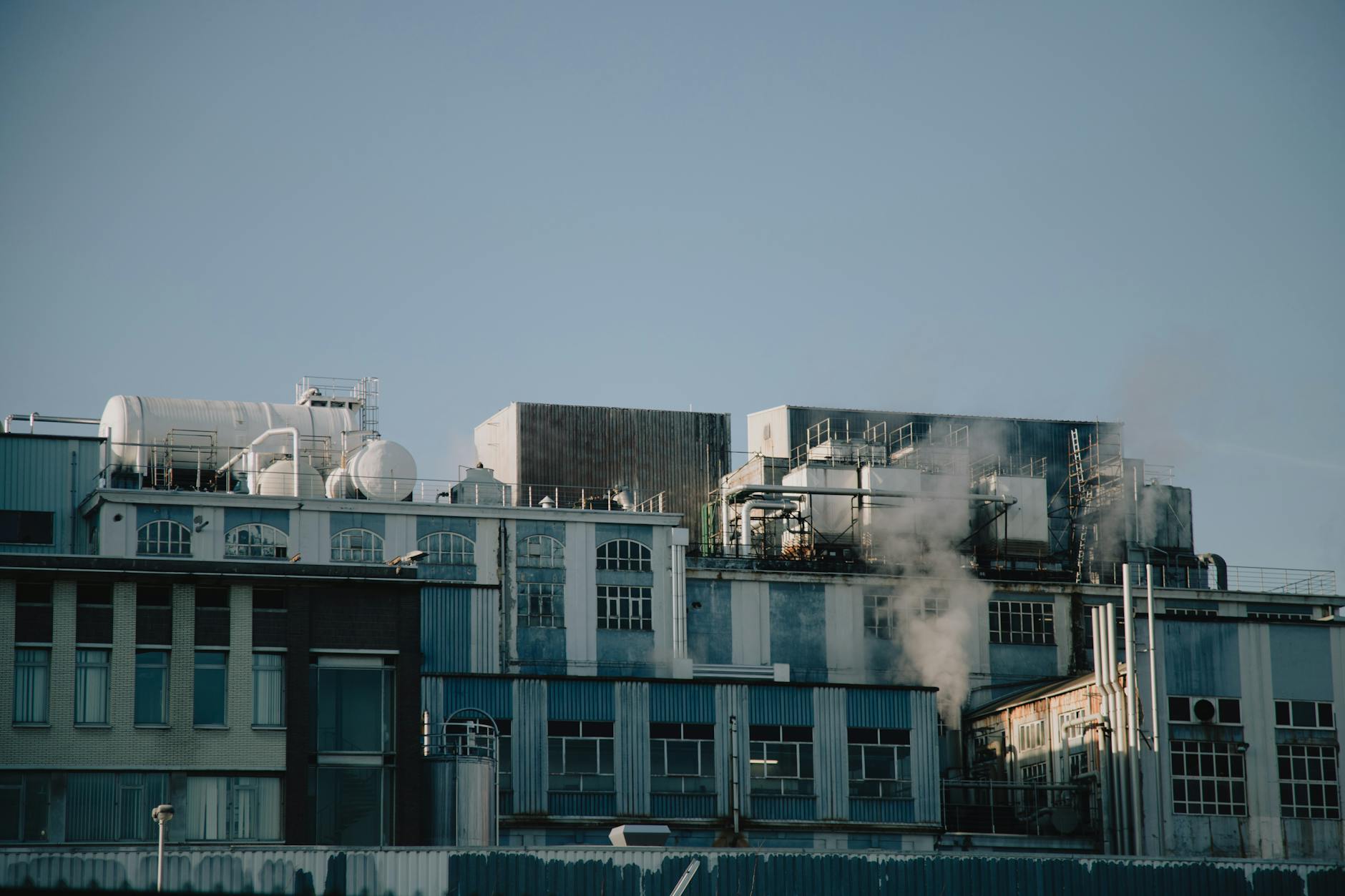
About Toyota Manufacturing Indiana
Toyota Manufacturing Indiana in Princeton, Indiana, was an industrial manufacturing facility where workers and contractors may have been exposed to asbestos-containing materials during various phases of facility construction and operation.General Equipment at Toyota Manufacturing Indiana
The equipment below represents the systems and infrastructure documented or typically present at this facility during the era when asbestos-containing materials were specified in industrial construction. This is general facility-equipment reference — not a legal attribution of any specific product, manufacturer, or exposure event to this facility. Material-category and manufacturer information is addressed in the AsbestosIndex Product Crosswalk linked under the records table below.
Documented Asbestos Evidence — Indiana
The records below are verified, state-documented asbestos removals at this facility. Each entry represents a regulated abatement project where the Indiana Department of Environmental Management (IDEM) was notified under federal NESHAP rules, the work was logged, and the asbestos-containing material was confirmed and removed under regulated conditions. These are not allegations or estimates — they are paper records tying documented asbestos-containing material to this specific site.
No IDEM NESHAP abatement notifications have been identified for this facility in current public records. Per the framing above, absence of state-agency documentation should not be read as absence of asbestos — only as absence of a formal, regulated abatement event meeting reporting thresholds. Workers who recall encountering pipe insulation, block insulation, gaskets, or other asbestos-era construction materials at this facility may still have viable claims regardless of whether a state record exists.
Material Categories in Documented Records
The materials documented above (and similar asbestos-containing materials commonly encountered in records of this type) appear in the AsbestosIndex catalog with historical manufacturer and trust-fund information. Click a category to view manufacturers historically associated with that material:
Who May Have Been Exposed at Toyota Manufacturing Indiana
Laborers, ironworkers, and other tradespeople who worked at Toyota Manufacturing Indiana in Princeton, Indiana, may have been exposed to asbestos-containing materials during general construction, demolition, or maintenance activities. Work involving direct handling or incidental disturbance of ACM creates some of the heaviest fiber burdens documented in occupational health literature. Tasks reportedly associated with exposure risk at facilities of this type include:
- Demolition work: Removing walls, ceilings, and floors that allegedly contained asbestos-containing fireproofing or floor tiles
- Material transport and cleanup: Handling and disposing of debris that may have contained ACM
- General construction support: Assisting skilled trades in installing or removing materials allegedly containing asbestos insulation or fireproofing
- Site work: Disturbing soil or fill material potentially contaminated with asbestos-containing debris from prior construction phases
Workers affiliated with Indiana-based building trades unions may have access to occupational health resources and union records that can corroborate exposure history. Unions with significant asbestos litigation involvement in this region include Heat and Frost Insulators Local 1, UA Local 157 (Plumbers and Pipefitters), and Boilermakers Local 374.
Indiana — Filing Deadline & Next Steps
Indiana law gives mesothelioma and asbestos-disease claimants 2 years from the date of medical diagnosis to file a personal-injury lawsuit (Ind. Code § 34-11-2-4). For wrongful-death claims after an asbestos-related death, the filing window is 2 years from the date of death (Ind. Code § 34-23-1-1). The two deadlines run on separate tracks — preserving one does not extend the other.
The personal-injury clock runs from diagnosis, not from exposure. Mesothelioma latency is typically 20 to 50 years, so workers exposed in the 1950s–1980s are being diagnosed today.
Practical first steps
- Document what you remember. Pay stubs, W-2s, union cards, photographs, coworker names, and dates of employment. The WorkChain widget on this page can save a copy you can email yourself.
- Preserve medical records. Pathology reports, biopsy results, imaging, and pulmonary-function tests are central to both civil claims and trust-fund filings.
- Identify household members. Spouses who laundered work clothing and children of plant workers are eligible for secondary-exposure claims when diagnosed with an asbestos-related disease.
- Speak with an asbestos attorney with Indiana experience. The first conversation is free and confidential. Asbestos trust-fund claims and civil claims run on different tracks — both can be pursued in parallel.
Asbestos-Related Diseases — Indiana
Asbestos fiber exposure can cause several specific diseases that typically appear decades after the original exposure. The latency period — the gap between exposure and diagnosis — usually runs 20 to 50 years. That's why workers exposed in the 1960s, 1970s, and 1980s are receiving diagnoses today.
Mesothelioma
A rare, aggressive cancer that affects the lining of the lungs (pleural mesothelioma), abdomen (peritoneal), or heart (pericardial). Mesothelioma is almost exclusively caused by asbestos exposure, which is why a mesothelioma diagnosis often points directly to historical workplace exposure. Average latency from first exposure to diagnosis is 30-50 years.
Asbestosis
A chronic, non-cancerous scarring of lung tissue caused by inhaled asbestos fibers. Asbestosis causes progressive shortness of breath, persistent cough, and reduced lung function. It does not improve with treatment, and it is a recognized basis for a claim under most trust schedules and civil claims.
Lung Cancer
Asbestos exposure significantly increases the risk of lung cancer, particularly when combined with a history of smoking. Asbestos-related lung cancer is compensable under the same trust schedules and civil claim avenues as mesothelioma.
Other Recognized Diseases
Pleural plaques, pleural thickening, laryngeal cancer, ovarian cancer, and certain gastrointestinal cancers are also recognized as asbestos-related under various trust schedules and case-law authorities, though eligibility and proof requirements vary by claim type.
If you have any of these diagnoses and you worked at this facility, lived with someone who did, or were exposed in any documented capacity, you may have a claim worth pursuing. Speak with an attorney before assuming you don't qualify.
Cross-State & Regional Corridor Workers
the region remains one of the most active asbestos litigation jurisdictions in the country and is accessible to Indiana residents with appropriate connections to that forum.Data Sources — Indiana
Information about facility equipment, industrial materials, and occupational records referenced on this page is drawn from publicly available sources where applicable, including:
- EPA ECHO Facility Compliance Database — enforcement and compliance records for industrial facilities
- OSHA Establishment Search — federal workplace inspection history
- EIA Form 860 Plant Data — power-plant equipment and ownership records (where applicable)
- Indiana Department of Environmental Management (IDEM) NESHAP asbestos abatement notification records
- Published asbestos trial and trust fund records (publicly filed court documents)
- AsbestosIndex Product & Manufacturer Crosswalk — historical asbestos-containing product schedules linked to manufacturers
If specific equipment or product claims in this article are sourced from a non-public database, the source is identified parenthetically within the text above.