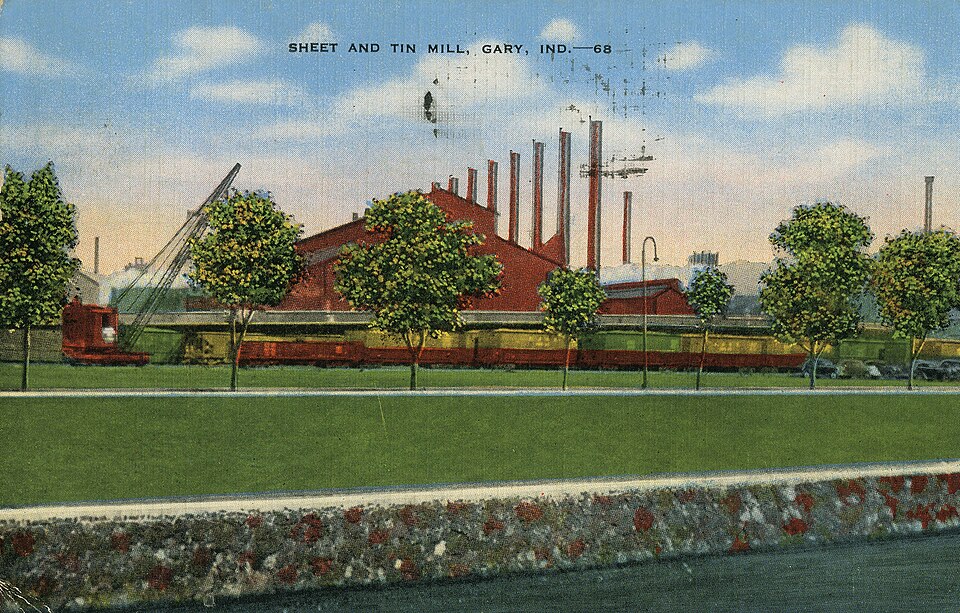
The Gary Sheet and Tin Mill, a large industrial facility in Gary, Indiana, operated for decades. Like many heavy industrial complexes built and operated through the 20th century across the state, including U.S. Steel Gary Works and Bethlehem Steel Burns Harbor, the mill allegedly incorporated asbestos-containing materials (ACMs). Asbestos offered heat resistance, insulation, and fireproofing properties. Individuals who worked at the Gary Sheet and Tin Mill and received an asbestos-related disease diagnosis must act quickly due to strict legal deadlines. An experienced mesothelioma lawyer Indiana can help navigate these complexities.
Urgent Indiana Filing Deadline Warning: In Indiana, the statute of limitations for personal injury claims related to asbestos exposure is generally two (2) years from the date of diagnosis (Indiana Code § 34-11-2-4). For wrongful death claims, the deadline is typically two (2) years from the date of death (Indiana Code § 34-23-1-1). These deadlines are critical and unforgiving; missing them can permanently bar your right to file a claim. If you are seeking an asbestos attorney Indiana, prompt action is essential.
For a list of asbestos-containing products and their manufacturers relevant to facilities like the Gary Sheet and Tin Mill, consult the AsbestosIndex Product Crosswalk.
History of Asbestos Use at Gary Sheet and Tin Mill and Asbestos Exposure Indiana
The Gary Sheet and Tin Mill opened in the early 20th century and expanded significantly over many years. During periods of growth and operation, particularly from the 1930s through the 1980s, asbestos was a common component in industrial construction and equipment throughout Indiana’s industrial corridor. The mill reportedly used asbestos-containing materials extensively in areas requiring high heat tolerance and fire protection. These areas were prevalent throughout the mill’s processing units, furnaces, and manufacturing lines, contributing to potential asbestos exposure Indiana.
Asbestos-containing materials were allegedly present in various forms:
- Pipe covering and block insulation: Reportedly used on steam pipes, hot water lines, boilers, and furnaces to maintain temperature and prevent heat loss.
- Gaskets and packing: Allegedly used in pumps, valves, and flanges throughout the mill’s piping systems to create seals and prevent leaks under high pressure and temperature.
- Refractory materials: Reportedly found in furnaces, ovens, and other high-temperature equipment to line interiors and withstand extreme heat.
- Brakes and clutches: Allegedly components in heavy machinery and equipment, where asbestos provided friction and heat resistance.
- Electrical components: Asbestos was reportedly used in electrical panels, wiring insulation, and other electrical apparatus for its non-conductive and heat-resistant properties.
- Spray fireproofing: Allegedly applied to structural steel beams and columns to protect them from fire damage.
- Insulating cement: Reportedly used for sealing and insulating various industrial equipment.
- Floor tile and ceiling tile: Allegedly used in administrative areas, control rooms, and other parts of the facility for durability and fire resistance.
- Acoustical panels: Panels reportedly containing asbestos were used in some areas for sound dampening and fire protection.
These materials, effective for their intended purposes at the time, now pose health risks when disturbed, as disturbance releases microscopic asbestos fibers into the air.
Occupations and Trades Potentially Exposed to Asbestos: Lake County Asbestos Lawsuit Considerations
Workers in various trades at the Gary Sheet and Tin Mill may have been exposed to asbestos fibers. Exposure occurred particularly during the installation, maintenance, repair, or removal of asbestos-containing materials. Those whose work frequently disturbed these materials were allegedly at a higher risk. This pattern of exposure was similar to that experienced by workers at other Indiana industrial giants like Inland Steel East Chicago and Cummins Engine Columbus. Such exposures may form the basis for a Lake County asbestos lawsuit.
Trades potentially at risk of exposure include:
- Insulators: Reportedly worked directly with asbestos-containing pipe covering, block insulation, and insulating cements. They cut, fitted, and applied these materials, or removed old insulation. Many were likely members of local unions such as Asbestos Workers Local 18 (Indiana).
- Pipefitters: Allegedly installed, repaired, or replaced pipes. This work often disturbed asbestos insulation and gaskets. They may have cut into asbestos-insulated pipes or removed asbestos gaskets from flanges.
- Boilermakers: Reportedly involved in the construction, maintenance, and repair of boilers, furnaces, and other high-heat equipment. These were heavily insulated with asbestos-containing refractory and insulation materials. Boilermakers Local 374 (Indiana) members may have performed this work.
- Millwrights: Allegedly installed, dismantled, and maintained heavy machinery. They often encountered asbestos-containing gaskets, brakes, and insulation during equipment overhauls.
- Electricians: May have encountered asbestos in electrical panels, conduits, and wiring insulation during upgrades or repairs.
- Maintenance personnel: General maintenance crews often performed tasks that reportedly disturbed ACMs. This included repairing equipment, replacing worn parts, and cleaning up debris.
- Laborers: Allegedly assisted various trades. They often performed cleanup efforts or handled materials that may have contained asbestos. Many laborers at the Gary Sheet and Tin Mill were reportedly members of United Steelworkers (USW) Local 1014.
- Welders: Their work near insulated pipes and equipment could have exposed them to fibers if insulation was disturbed by cutting or grinding.
- Machinists: When working on machinery containing asbestos components like brakes, clutches, or gaskets, they may have been exposed.
For detailed information on specific asbestos products associated with these trades and facility types, refer to the AsbestosIndex Product Crosswalk.
Asbestos-Related Diseases and Health Risks
Asbestos fiber exposure is the sole known cause of mesothelioma, a rare and aggressive cancer that primarily affects the lining of the lungs, abdomen, or heart. Other serious asbestos-related diseases include:
- Asbestosis: A chronic lung disease caused by inhaled asbestos fibers, leading to scarring of the lung tissue and impaired breathing.
- Lung Cancer: Asbestos exposure increases the risk of developing lung cancer; this risk is higher for individuals who also smoke.
- Other Cancers: Studies suggest a link between asbestos exposure and an increased risk of cancers of the larynx, ovary, and pharynx.
These diseases often have long latency periods, meaning symptoms may not appear until decades after initial exposure.
Legal Options for Asbestos Exposure Victims and Families: Indiana Mesothelioma Settlement
Individuals diagnosed with mesothelioma, asbestosis, or other asbestos-related diseases after working at the Gary Sheet and Tin Mill, or their surviving family members, may have legal recourse. Legal claims involving asbestos exposure are complex and time-sensitive. Pursuing an Indiana mesothelioma settlement requires skilled legal guidance.
Legal options include:
- Trust fund claims and civil lawsuits pursued simultaneously: Many companies that manufactured or supplied asbestos-containing products established trust funds to compensate victims. Civil lawsuits can also be filed against liable parties. Indiana residents are eligible to pursue both trust fund claims and civil lawsuits concurrently, often referred to as an asbestos trust fund Indiana claim.
- Personal injury claims: Individuals diagnosed with an asbestos-related disease file these claims.
- Wrongful death claims: Family members of a loved one who died due to an asbestos-related disease file these claims.
Potential venues for filing such lawsuits in Indiana include the Lake County Superior Court, particularly for cases originating from the Gary steel corridor, or the Marion County Superior Court for cases in the Indianapolis area.
Indiana Asbestos Statute of Limitations and Filing Deadlines
Each state sets specific statutes of limitations that dictate the time frame to file a lawsuit. In Indiana, understanding the Indiana asbestos statute of limitations is critical:
- Personal Injury Claims: The statute of limitations for personal injury claims, including asbestos exposure, is generally two (2) years from the date of diagnosis (Indiana Code § 34-11-2-4).
- Wrongful Death Claims: For wrongful death claims, the statute of limitations is generally two (2) years from the date of death (Indiana Code § 34-23-1-1).
It is crucial to understand that these deadlines are strictly enforced. Do not delay in seeking legal advice, as missing these critical windows can forfeit your right to file a claim. This is your asbestos lawsuit Indiana filing deadline warning. While most asbestos trust funds do not have a strict time limit, their assets can deplete over time, making prompt action advisable for trust fund claims as well.
Contact an Experienced Asbestos Cancer Lawyer Gary Indiana Today
You or a loved one worked at the Gary Sheet and Tin Mill and received a diagnosis of mesothelioma, lung cancer, or asbestosis. Time is precious, and Indiana’s legal deadlines are unforgiving. Call today to speak with an experienced asbestos cancer lawyer Gary Indiana immediately. A toxic tort counsel will explain these critical deadlines and evaluate your legal options. Unfortunately, many of the coworkers who shared shifts with you in the earlier years of your career may no longer be reachable. An attorney can identify potential sources of asbestos exposure, manage the legal process, and pursue your legal claim.
Data Sources
Information about facility equipment, industrial materials, and occupational records referenced on this page is drawn from publicly available sources where applicable, including:
- EPA ECHO Facility Compliance Database — enforcement and compliance records for industrial facilities
- OSHA Establishment Search — federal workplace inspection history
- EIA Form 860 Plant Data — power plant equipment and ownership records (where applicable)
- Indiana DEM NESHAP records
- Published asbestos trial and trust fund records (publicly filed court documents)
If specific equipment or product claims in this article are sourced from a non-public database, the source is identified parenthetically within the text above.
← Back to Indiana Jobsite Asbestos Records
Filing Deadline — IN: Under Ind. Code § 34-20-3-1, you have two years from the date of an asbestos-related disease diagnosis to file a personal injury claim. Wrongful death claims are governed by Ind. Code § 34-23-1-1. These deadlines are strict — contact an attorney immediately after diagnosis. For informational purposes only. Not legal advice. No attorney-client relationship is created by reading this page. © 2026 Rights Watch Media Group LLC — Disclaimer · Privacy · Terms · Copyright